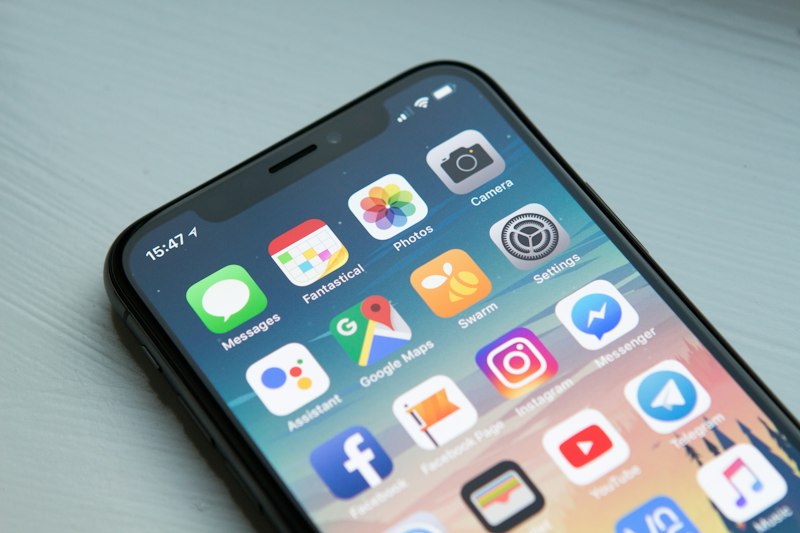
Designing for Mobile: A Different Discipline
Designing a mobile app is fundamentally different from designing a website. Platform conventions, touch interaction, screen constraints, and user context all demand specialized knowledge. Design Agency develops Android and iOS applications as part of their digital agency services.
iOS vs. Android Design Systems
iOS — Apple Human Interface Guidelines:
- Clean, minimal aesthetic
- SF Pro system font
- Tab bar navigation at bottom
- Modal sheets and popovers
- Haptic feedback conventions
- Safe area insets (notch, home bar)
Material Design (Android):
- More expressive, colorful
- Roboto / Google Fonts
- Navigation drawer and bottom navigation
- FAB (Floating Action Button)
- Elevation and shadow system
- Dynamic color (Material You)
Mobile UX Principles
Thumb zones: The thumb reaches naturally to the center and bottom of the screen. Place primary actions in the "easy reach" zone — the bottom portion of the screen. Navigation, primary CTAs, and frequently used actions belong here.
One task per screen: Mobile attention is fragmented. Each screen should have a single, clear purpose. Don't crowd the screen.
Progressive disclosure: Show less, reveal more on demand. Complexity lives behind interactions, not on the default view.
Touch targets: Minimum 44x44pt (iOS) / 48x48dp (Android). Spacing between targets matters as much as size.
Onboarding Design
The first-run experience determines if users stay:
- Value-first — Show value before asking for permissions
- Permission requests — Context-sensitive, explain why you need access
- Progress indication — Show how many steps remain
- Skip option — Always let users skip setup and explore
App Navigation Patterns
- Tab bar — 3-5 destinations, always visible (most common)
- Navigation drawer (hamburger) — For many destinations, less discoverable
- Stack navigation — Drill down into detail views
- Modal — Overlay for focused tasks
Performance on Mobile
Mobile apps must be fast:
- Perceived performance (loading states, skeleton screens)
- Offline capability where possible
- Image optimization
- Minimal initial download size
Design Agency Group's award for "Best communication App for Public Sector" (Internal Communication Awards 2024) demonstrates their mobile app design and development expertise.
Design Tools for Mobile
- Figma — Primary design tool with iOS/Android component libraries
- Principle — Interactive prototyping for mobile animations
- Protopie — Advanced mobile interaction prototyping
- Xcode — iOS simulator for testing designs in context
Optumio supports the web backend of mobile applications — API hosting, performance monitoring, and security — ensuring your app's backend is as reliable as its front-end design.

Topics
Need Professional Design & Marketing Help?
Work with award-winning creative agencies that bring strategy, design, and digital expertise together.
Σχετικά Άρθρα
Όλα τα άρθρα
WordPress in 2026: The Complete Guide for Businesses
WordPress powers over 40% of the web. Learn how to choose themes, plugins, and build a high-performance WordPress site that ranks and converts.

E-Shop Development: Building Online Stores That Convert
A great e-shop combines beautiful design with conversion-focused architecture. Learn the platforms, design principles, and optimizations that drive online sales.

Responsive Web Design: Building for Every Screen in 2026
With mobile devices generating over 60% of web traffic, responsive design is not optional. Learn the principles, techniques, and testing approaches that ensure great experiences on every device.